Crafting and Gathering
Kits, schematics, and resources
Goods at Eldritch came from players. Gatherers brought in iron, leather, cloth, wood, and herbs, and crafters turned them into the arms, potions, and tools of the game.
How Crafting Worked
Crafting took three things: a kit, a schematic, and resources.
Kits stood for the tools and consumables of a trade. Each had ten uses, marked by checkboxes on its item tag, and Artificers could make new ones. Resources came from gatherers, Cirque merchants, and modules.
| Kit | Used by |
|---|---|
| Apothecary Kit | Alchemists |
| Artificer Kit | Artificers |
| Blacksmith Kit | Blacksmiths |
| Bowyer Kit | Bowyers |
| Gunsmith Kit | Gunsmiths |
| Chirurgeon's Kit | Those with healing abilities, not for crafting |
| Lockpicking Kit | Those with Disable Device, not for crafting |
Schematics
A schematic was a document that held the knowledge of how to make an item. It named the skill and level needed, the mechanical benefits, the prop that represented the item, and the resources required. Some archetypes began with schematics, and each further level of a crafting skill brought one of that level. Others were found or bought at events.
A character claimed a schematic by signing it. It could then no longer be stolen or traded, because it counted as knowledge.
Stations
Crafting stations stood in the Tavern. Each was a Construction Project that had to be built first, and each stayed in place at every later event. The Alchemy Lab served alchemists, the Forge served blacksmiths, and the Artificer's Bench served artificers, bowyers, and gunsmiths.
Stations were self-serve. A crafter sorted the resources into a tote, took the finished item's tag from the matching tote, and marked off a use of the kit.
The Trades
Alchemy
Alchemists held a cipher that listed potion names, descriptions, and codes. After brewing, the crafter placed a coded sticker over the name on the potion's card, so that only alchemists could tell what a bottle held. All recipes yielded 2 potions, except Distilled Spirits, which yielded 10.
Artificer, Bowyer, and Gunsmith
Items with uses, such as kits, arrows, and bullets, took a sticker with ten checkboxes. Those with the skill could repair items at an Artificer's Bench with five to ten minutes of roleplay and no use of a kit.
Blacksmith
Blacksmiths repaired weapons and armor at a Forge in the same way. Patch Kits let anyone repair weapons and armor away from a forge.
Release of Higher Levels
Staff held back level 2 and level 3 schematics until later in the campaign. Level 2 crafting skills opened at Event V, and level 3 opened at Event VII.
| Skill | Effect | Requires | CP |
|---|---|---|---|
| Alchemy - 1 | Can use level 1 schematics to create alchemy substances. | None | 3 |
| Alchemy - 2 | Can use level 2 schematics to create alchemy substances. Gain one level 2 schematic of choice at the next check-in after purchasing this skill. | Alchemy - 1 | 3 |
| Alchemy - 3 | Can use level 3 schematics to create alchemy substances. Gain one level 3 schematic of choice at the next check-in after purchasing this skill. | Alchemy - 2 | 3 |
| Artificer - 1 | Can use level 1 schematics to create artificer goods. | None | 3 |
| Artificer - 2 | Can use level 2 schematics to create artificer goods. Gain one level 2 schematic of choice at the next check-in after purchasing this skill. | Artificer - 1 | 3 |
| Artificer - 3 | Can use level 3 schematics to create artificer goods. Gain one level 3 schematic of choice at the next check-in after purchasing this skill. | Artificer - 2 | 3 |
| Blacksmith - 1 | Can repair all weapons and armor. Can use level 1 schematics to create Blacksmith goods. | None | 3 |
| Blacksmith - 2 | Can use level 2 schematics to create Blacksmith goods. Gain one level 2 schematic of choice at the next check-in after purchasing this skill. | Blacksmith - 1 | 3 |
| Blacksmith - 3 | Can use level 3 schematics to create Blacksmith goods. Gain one level 3 schematic of choice at the next check-in after purchasing this skill. | Blacksmith - 2 | 3 |
| Bowyer - 1 | Can make bows and arrows and repair bows. May acquire the Arrows schematic or the Bow schematic. | Artificer - 1 | 1 |
| Bowyer - 2 | Can make improved bows. The schematic comes with the skill. | Artificer - 2 and Bowyer - 1 | 1 |
| Bowyer - 3 | Can make masterwork bows. The schematic comes with the skill. | Bowyer - 2 | 1 |
| Gunsmith - 1 | Can make ammunition and repair firearms. The schematic for bullets comes with the skill. The character needed a connection to House Richter, which controlled knowledge of gunsmithing. | Artificer - 1 and Dusklander background | 1 |
| Gunsmith - 2 | Can make pistols. The schematic for pistols comes with the skill. | Blacksmith - 1 and Gunsmith - 1 | 1 |
| Gunsmith - 3 | Can make masterwork pistols and rifles. The schematics for both come with the skill. | Gunsmith - 2 | 1 |
Gathering
Characters with a gathering skill received resources at check-in and could also work nodes around the site during events. All resources could be looted and traded.
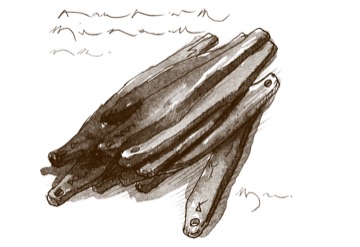 Iron Ingots Gathered by Mining.
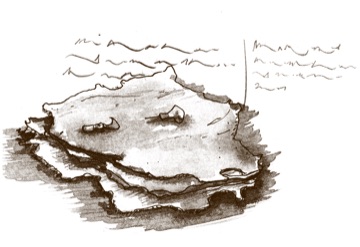 Leather Gathered by Hunting.
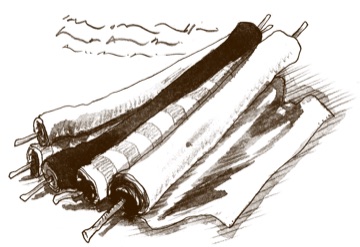 Cloth Gathered by Farming.
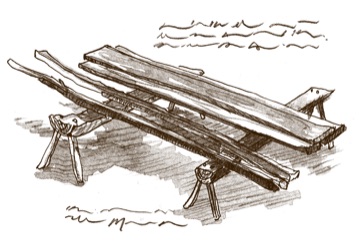 Refined Wood Gathered by Woodcutting.
Herbs, also called apothecary reagents, came from Herbalism. Players with that skill received a list of herbs and their descriptions for each level.
| Skill | Effect | Requires | CP |
|---|---|---|---|
| Farming - 1 | Gain 4 Cloth per event at check-in. Access Farming nodes at events. | None | 1 |
| Farming - 2 | Gain 12 Cloth per event at check-in. Access more resources from Farming nodes at events. | Farming - 1 | 2 |
| Farming - 3 | Gain 20 Cloth per event at check-in. Access more resources from Farming nodes at events. | Farming - 2 | 2 |
| Gathering - 1 | Gain 4 random resources per event at check-in. Access Gathering nodes at events. | None | 1 |
| Gathering - 2 | Gain 12 random resources per event at check-in. Access more resources from Gathering nodes at events. | Gathering - 1 | 2 |
| Gathering - 3 | Gain 20 random resources per event at check-in. Access more resources from Gathering nodes at events. | Gathering - 2 | 2 |
| Herbalism - 1 | Gain 4 random apothecary reagents per event at check-in from the level 1 box. Access Herbalism nodes at events. | None | 1 |
| Herbalism - 2 | Gain 12 random apothecary reagents per event at check-in, drawing each from the level 1 or level 2 box. Access more resources from Herbalism nodes at events. | Herbalism - 1 | 2 |
| Herbalism - 3 | Gain 20 random apothecary reagents per event at check-in, drawing each from the level 1, 2, or 3 box. Access more resources from Herbalism nodes at events. | Herbalism - 2 | 2 |
| Hunting - 1 | Gain 4 leather per event at check-in. Access Hunting nodes at events. | None | 1 |
| Hunting - 2 | Gain 12 leather per event at check-in. Access more resources from Hunting nodes at events. | Hunting - 1 | 2 |
| Hunting - 3 | Gain 20 leather per event at check-in. Access more resources from Hunting nodes at events. | Hunting - 2 | 2 |
| Mining - 1 | Gain 4 iron ingots per event at check-in. Access Mining nodes at events. | None | 1 |
| Mining - 2 | Gain 12 iron ingots per event at check-in. Access more resources from Mining nodes at events. | Mining - 1 | 2 |
| Mining - 3 | Gain 20 iron ingots per event at check-in. Access more resources from mining nodes at events. | Mining - 2 | 2 |
| Woodcutting - 1 | Gain 4 refined wood per event at check-in. Access Woodcutting nodes at events. | None | 1 |
| Woodcutting - 2 | Gain 12 refined wood per event at check-in. Access additional resources from Woodcutting nodes at events. | Woodcutting - 1 | 2 |
| Woodcutting - 3 | Gain 20 refined wood per event at check-in. Access even more additional resources from Woodcutting nodes at events. | Woodcutting - 2 | 2 |
Gathering Nodes
Nodes were plastic zip-top bags placed around the site. A slip of paper inside explained which skill and level could take resources and how many. Some were easy to spot, and some lay behind Tracking trails. Staff added them to give gatherers something to do during events.
Example. A character with only the Gathering skill could take nothing from a Woodcutting node but could take from a node marked for Gathering.
Uses for Resources
Resources went into crafting, Construction Projects, and Settlement Events. Characters without a crafting skill sold or gave them to others, and some paid taxes with them. NPC merchants sometimes bought them as well.