The Guilds
The CirqueThe Apotheca
Two great institutions stood beside the noble houses of Arnesse. The Cirque held the kingdom's trade, and the Apotheca held its medicine and its books.
The Cirque
The Crown taxed the kingdom, and the Cirque set the price of everything in it.
This page describes the guilds as they stood in 763.
The Great War destroyed the old craft and mercantile guilds. Artisans went underground, and the secrets of many crafts died with them. The Cirque le Soir was then a popular performance troupe, and the local merchants learned that its crowds were good for business. It took a small cut of their profits, and it hired mercenaries who could also protect those who paid. As the first century of the Age of Kings wore on, what remained of the old guilds sought shelter with it.
In 527 King Richard Bannon I recognized the Cirque as an official guild and gave it a total monopoly over trade, crafting, and commerce. Rumors of the bargain behind that grant have never faded, and the monopoly made both parties very wealthy.
Its symbol is a serpent devouring its own tail, so people call its members Snakes. Guild houses stand in most major towns, and each keeps the price list that governs local trade. Members are chosen from among the finest talents of a region, and those of noble blood are not admitted. In practice the guild acts as a consortium. Rival factions, called troupes, each hold territory around their guildhalls.
All artisans and merchants in its reach pay dues, known as Privilege. Those who pay gain protection and good standing. Those who do not can expect trouble with their business, damage to their property, a beating, or an accidental death. A security force called the Nagas serves as bodyguards and enforcers.
The Menageries
The Cirque could not touch illegal goods openly without risking its monopoly, and so it created a second organization in the shadow of the first. The menageries were powerful gangs with their own leaders, and they ran the Black Markets of Arnesse. The Blood Belly Butchers held the ruined town of Dresden under their leader, Little Doll. The Cannibals held the Night Warren under Little Fool. The troupes and menageries met at one point only, the great guildhall in the Free City of Orn, where both paid Privilege.
The Apotheca
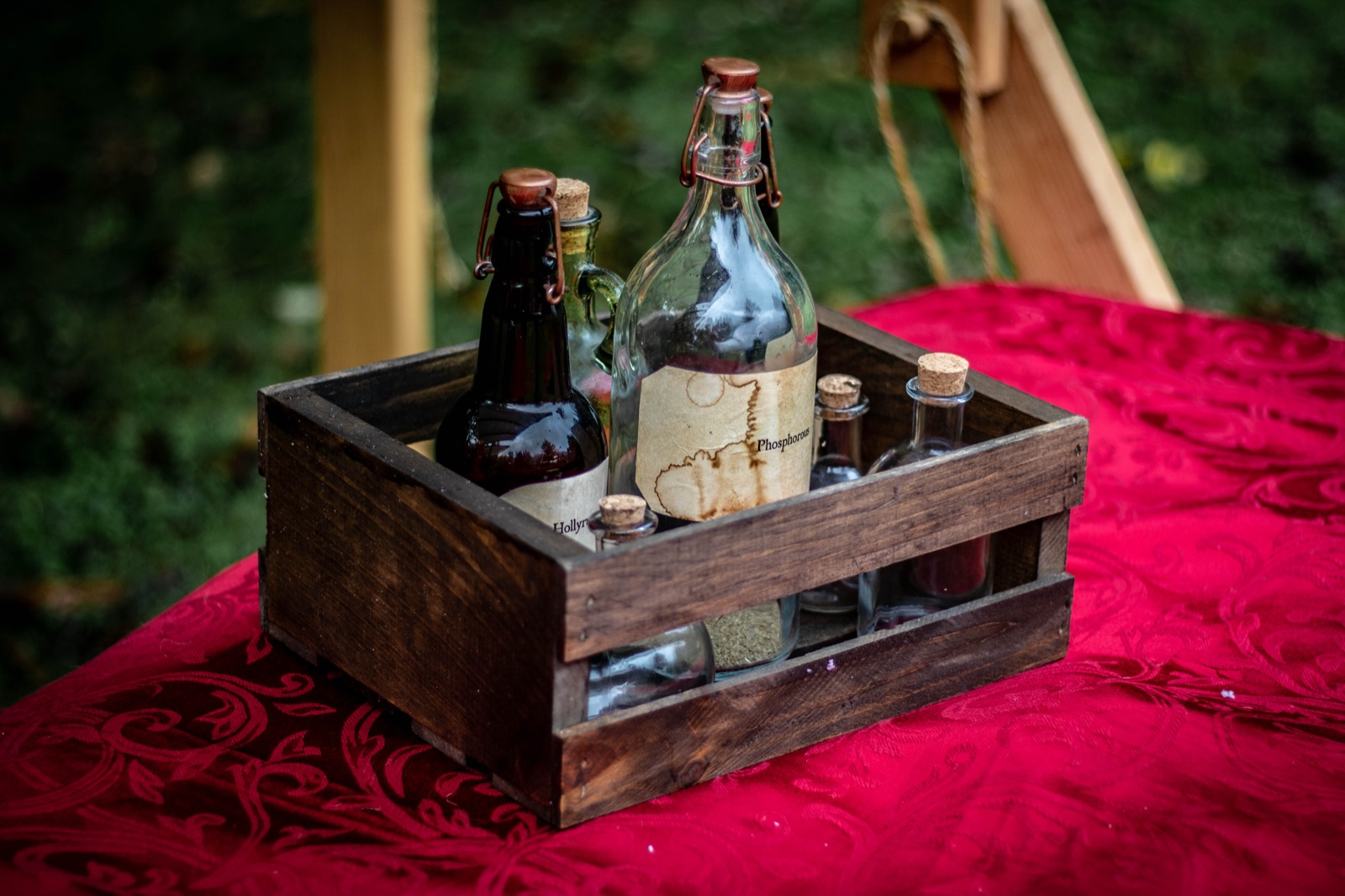
The Apotheca is one of the oldest and most secretive institutions in the kingdom. Its members give their lives to healing, to the crafting of potions, and to keeping the knowledge of the world.
Magisters serve at the courts of the great houses and as healers in the larger towns. Their skill at restorative surgery has no equal, and they work in large numbers behind the battle lines. Their substances range from cures for common ailments to strange concoctions that are said to grant superhuman abilities for a time.
Those who join come from every station, from the highest nobility to the lowest commonfolk, and they abandon the lives they knew. They vow to take no partner and to stay neutral in matters of state. Many regard them as misers who guard their secrets out of spite.
Their towers are called Apothecariums. The largest is the Apotheon in Highcourt, one of the oldest buildings in the city, which is rumored to predate the Eldritch Age. Its floors are restricted by rank. The Ashen Tower in Tor Oman is said to be over two thousand years old and holds the largest library on the continent. Superstitious people claim that its locked rooms hold works on the dark arts. It is said that no one is truly a Magister until they have studied there.
Grand Magister Oberan had led the order for two decades by 763 and sat on the King's Council, and an Inner Council of Archmagisters stood below him.